
Kinar Village: Planting Hope, Designing the Future
Planting Hope, Designing the Future: The Greenhouse Competition at Kinar Village Reviving Subak and Local Wisdom
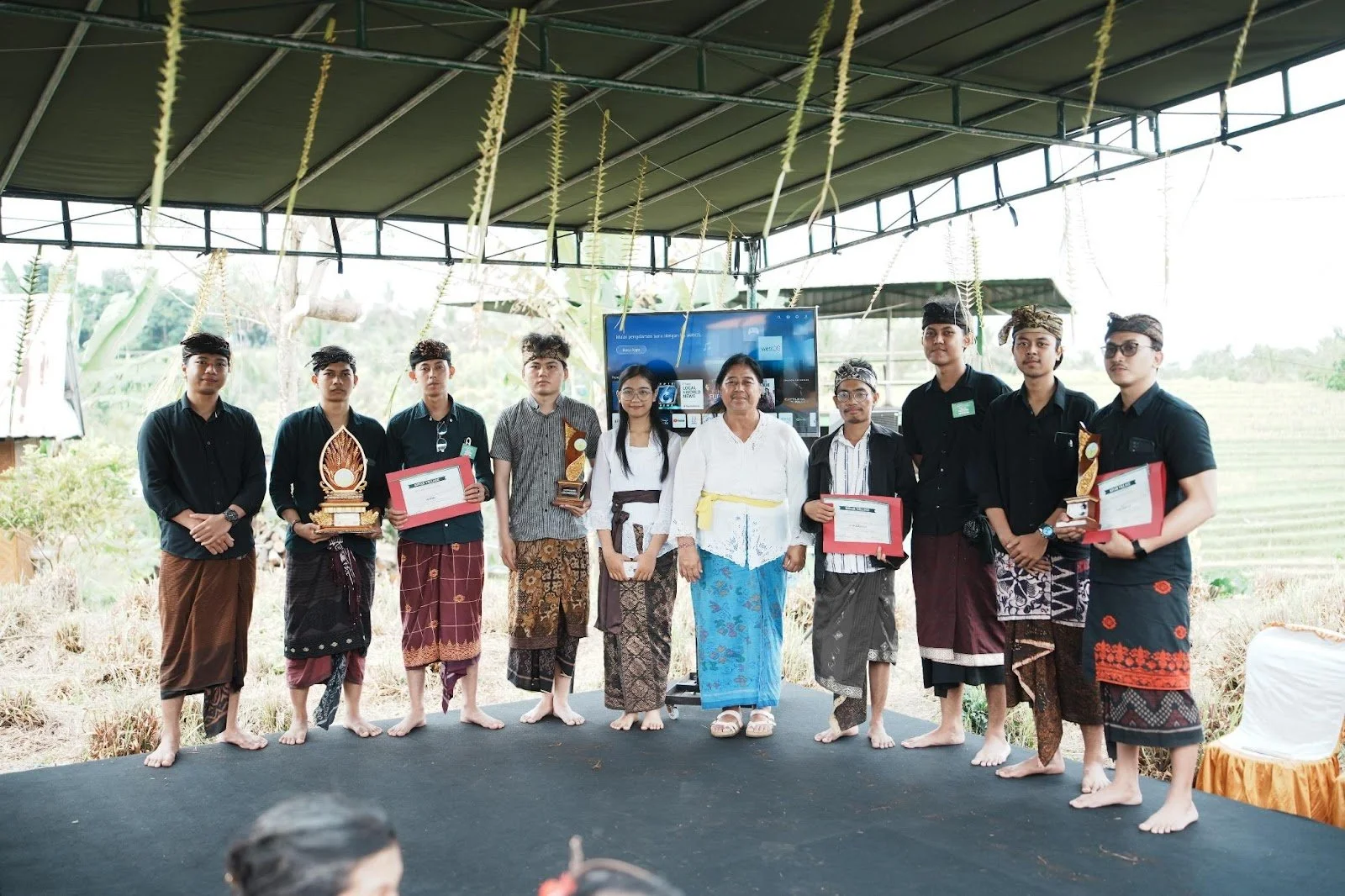
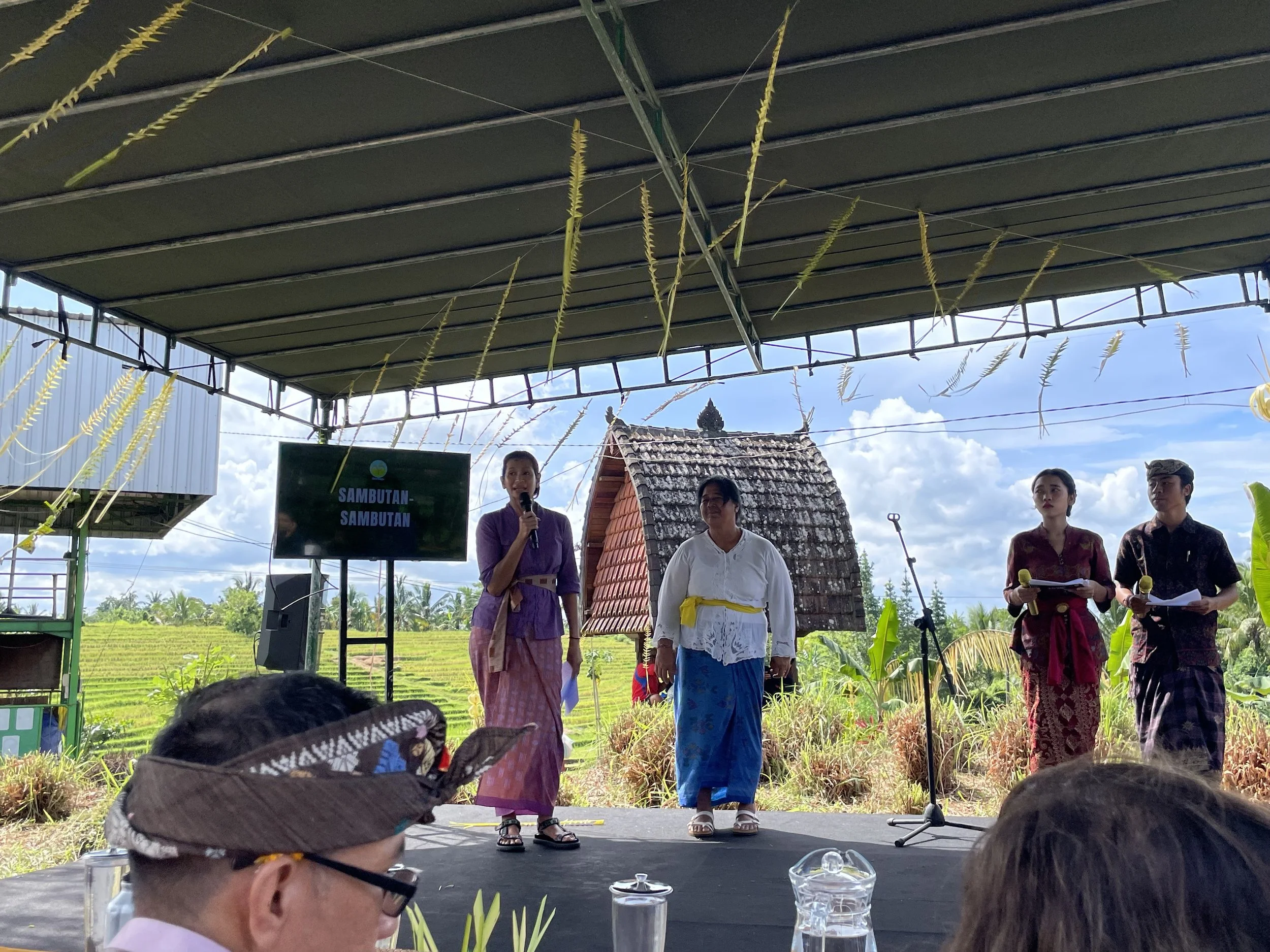
In the midst of rapid modernisation and the growing conversion of agricultural land, Kinar Village has taken a strategic step rooted in tradition: organising the Kinar Village Sustainable Greenhouse Design Contest 2025. More than just a design competition, this event became a participatory platform for the younger generation to shape sustainable agricultural solutions grounded in Bali’s local wisdom.
With the theme “Integrating Modern Agriculture Processes with Traditional Values for Sustainable Innovation”, participating students from across Bali were challenged to create greenhouses that were not only functional and aesthetic, but also environmentally friendly and in harmony with the landscape and local values. The submitted works revealed a spectrum of approaches, from those heavily influenced by modernisation to others striving for synergy with nature.
Kinar Village: Subak, Lemongrass, and an Integrated Organic Farming System
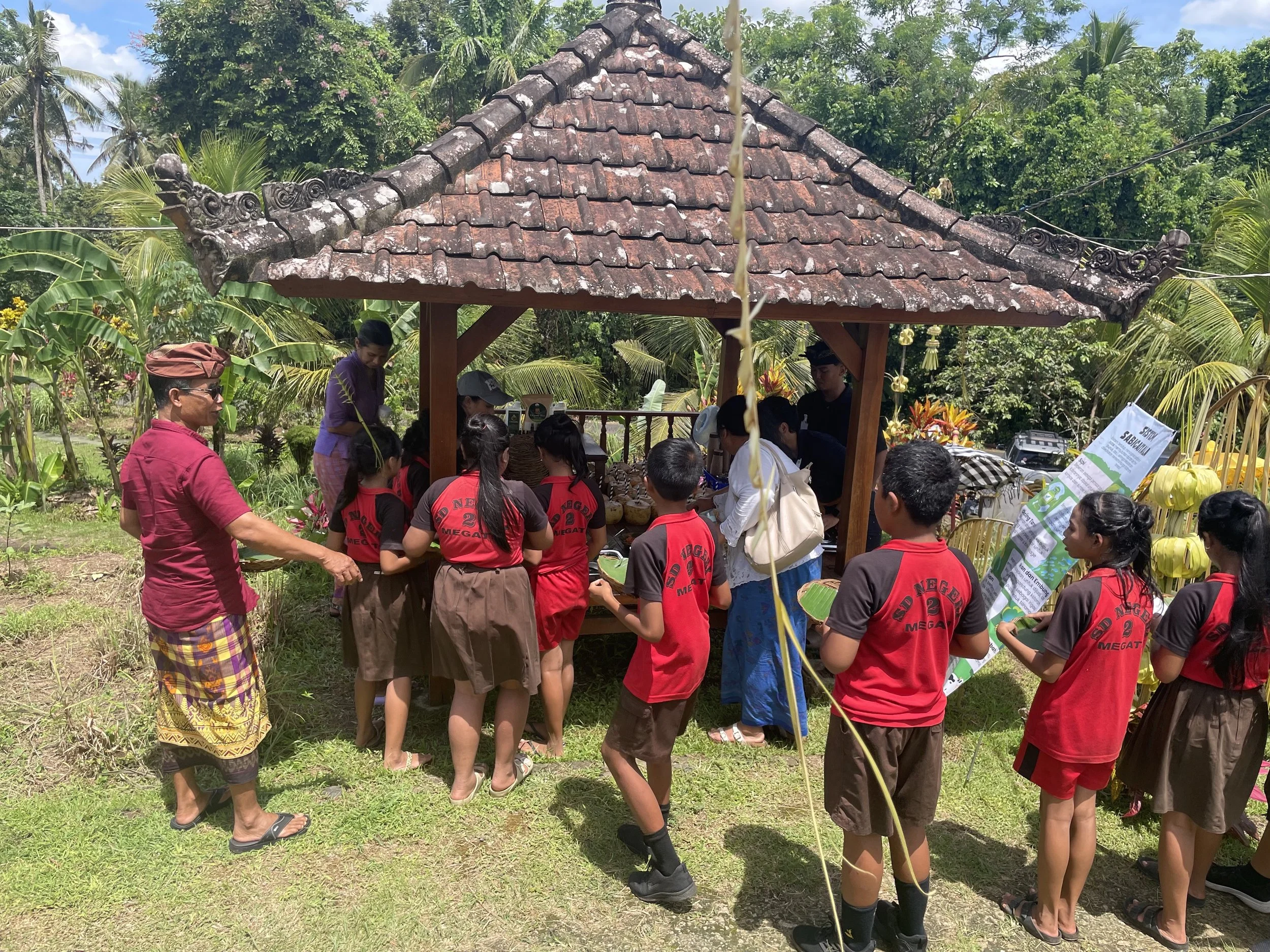
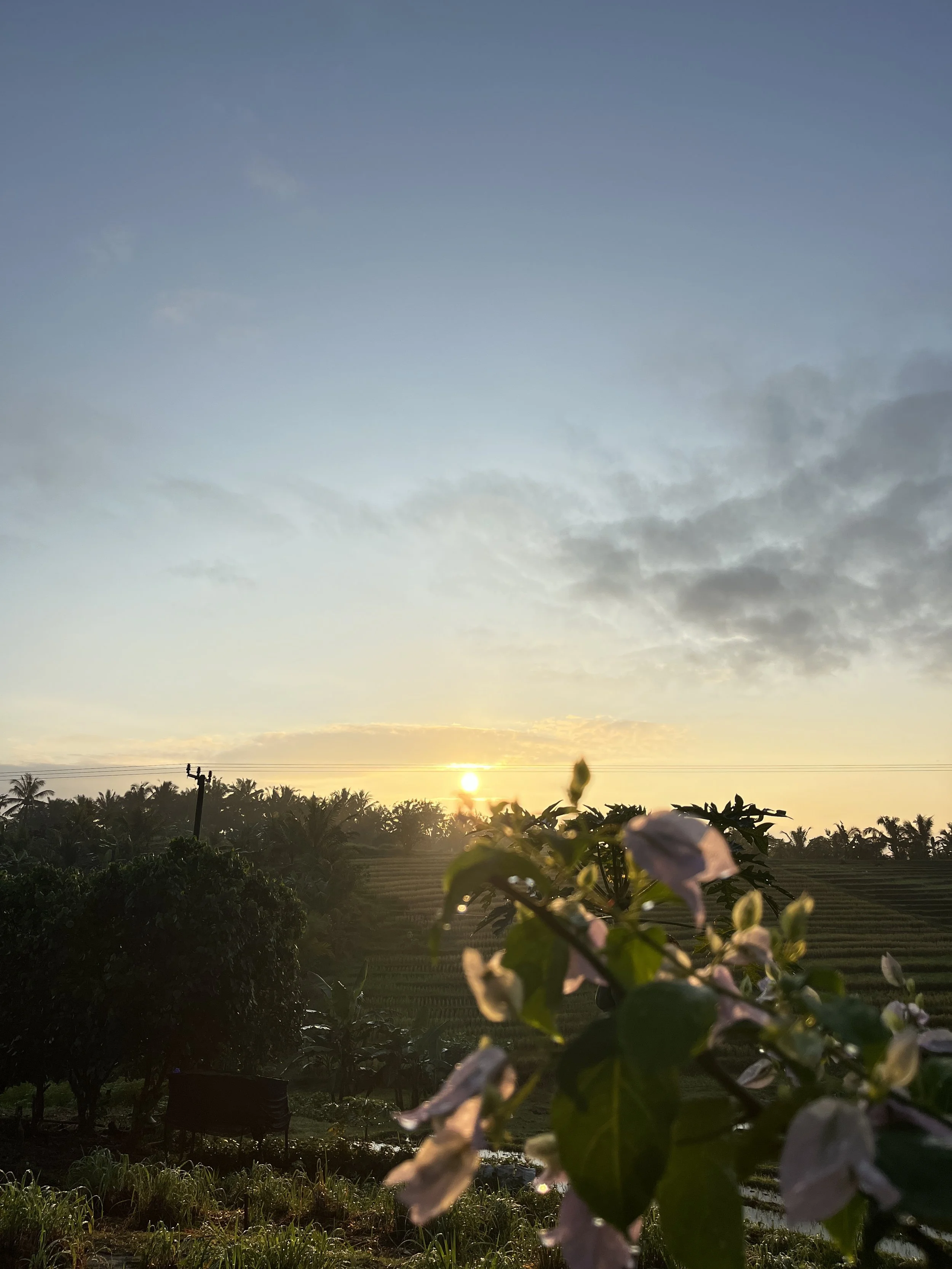
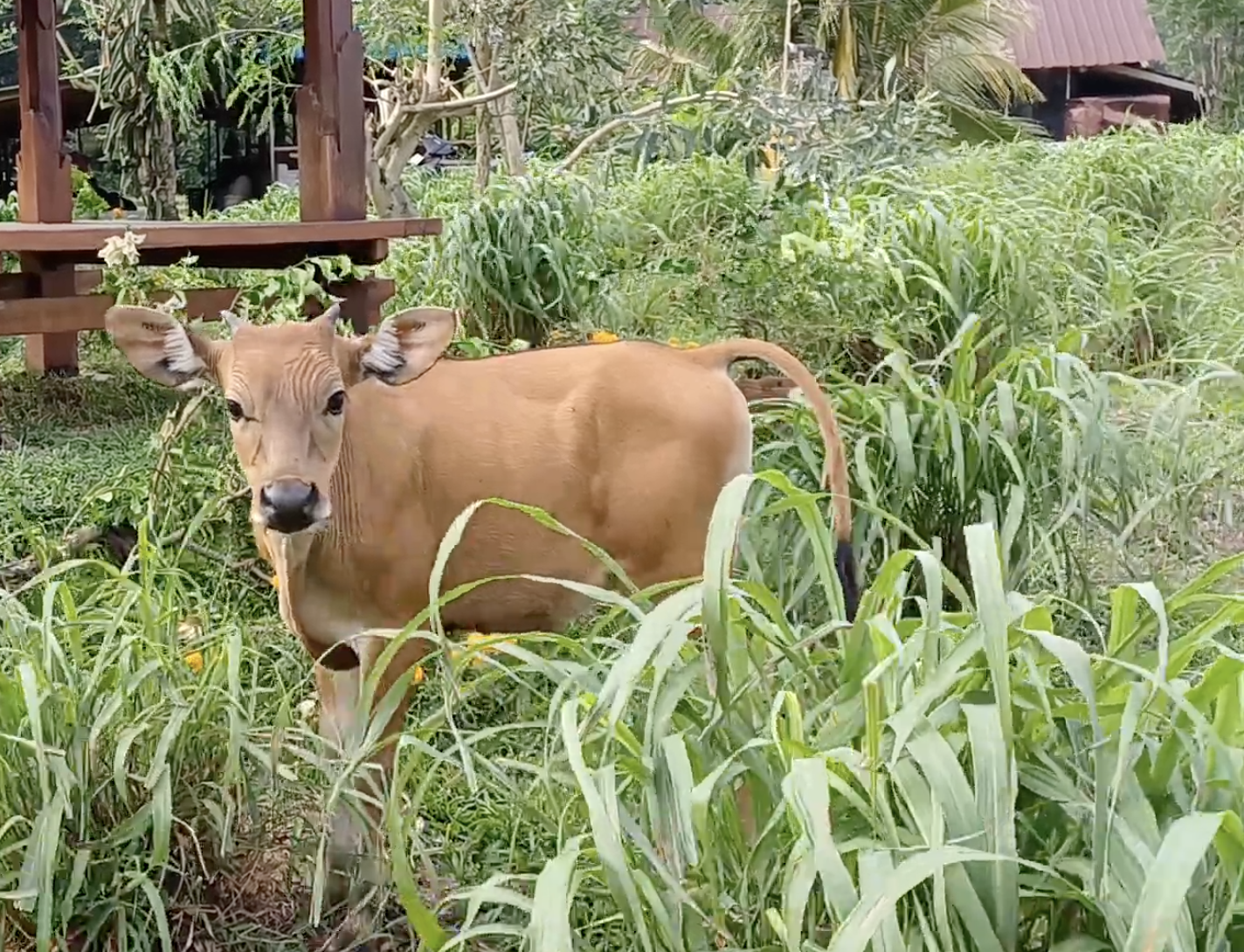
Located in Tabanan, Bali, Kinar Village is more than just a 23-hectare organic farm. It is a living narrative of efforts to preserve Balinese agriculture through the Subak irrigation system, organic farming, and locally rooted innovation. With leading commodities such as lemongrass and organic rice, Kinar Village has pioneered an integrated organic farming system called SaBiCaITaLA — combining Cattle, Biogas, Worms, Fish, Plants, Bees, and Agrotourism into a closed-loop ecosystem.
Kinar is not just a place for farming, but also for learning. With visitors from over 20 countries and partnerships with universities and organic farming institutions, it has become a hub for education and environmental diplomacy.
The Competition as a Gateway to Dialogue and Transformation
Through this design competition, Kinar Village has not only promoted greenhouse design, but also opened up dialogue about the future of agriculture. It became a meeting ground for the younger generation, farming communities, academics, and the wider public to collectively envision a sustainable future.
Kinar Village invites everyone to see agriculture not merely as nostalgia from the past, but as the foundation of future sustainability. In a modernising world, we need not lose our roots. In fact, it is from those roots that true growth begins.







Yori Antar: A Competition Highlighting Real Issues
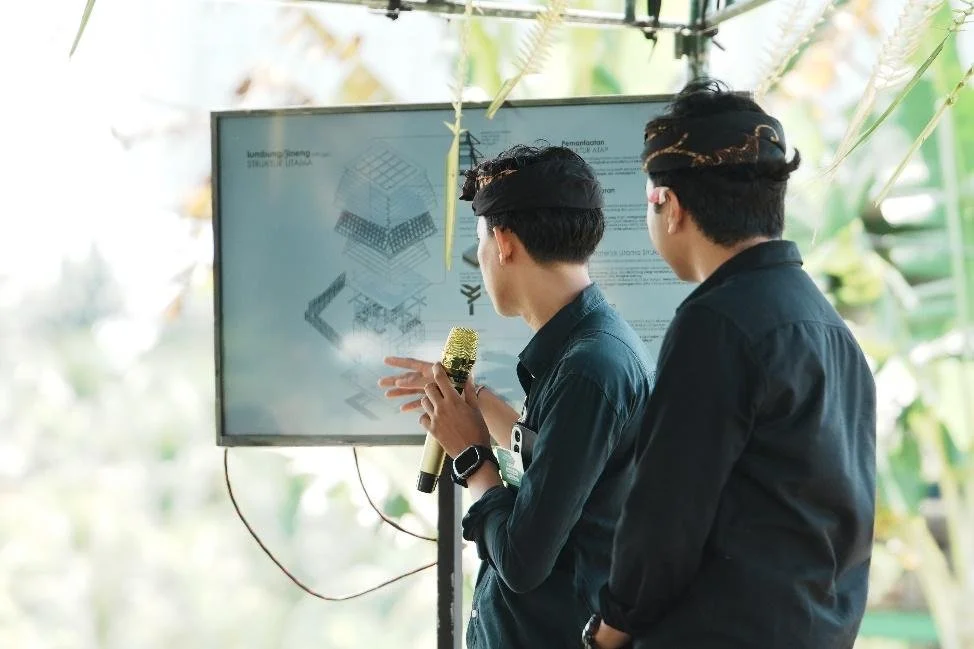
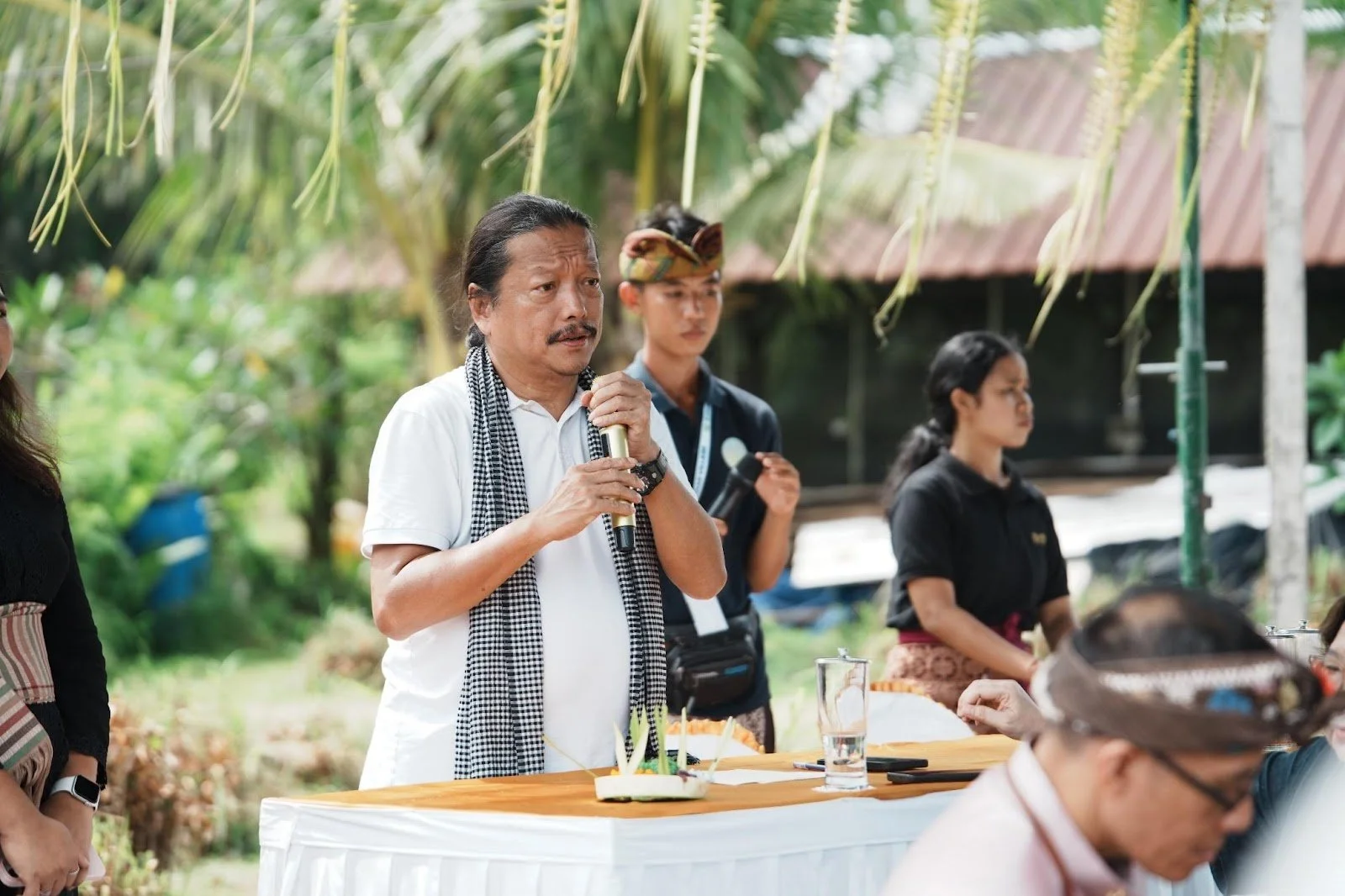
At the competition’s closing session, national architect Yori Antar shared reflective and meaningful insights. He expressed his appreciation for the competition as a sincere effort to address issues of great urgency today.
“I think this competition is excellent. The issue of food is real, tangible, and could very well be entering a state of crisis… how so much agricultural land, rice fields, are being turned into concrete. That news truly concerns us. In Jakarta, that’s all we hear — everything has already turned to concrete. Whereas here, the rice fields don’t seem to get the attention they deserve.”
He emphasised that the competition touched upon something deeply fundamental in the nation’s identity.
“I could say so much about this, because it is such a fundamental matter. The DNA of Indonesians is, after all, that of farmers and artisans. This issue is deeply relevant and pressing.”
For Pak Yori, the impact of this competition must not stop at the level of an event. He placed high hopes on its continuity and on wide-ranging publicity.
“Through this competition I hope there will be impact, and that the publication spreads widely. Design should not be only about competitions for 100-storey skyscrapers. No, it should raise issues like these.”
On the participants’ submissions, he offered both critique and appreciation:
“We can see from the students’ works, some are still trapped by the pull of modernisation, while others attempt compromise, even striving for harmony with nature.”
He further suggested that the competition could become a “formula” to be developed and replicated nationwide.
“Because this could become a formula. We hope it can be shared across Indonesia as a model for addressing our food security challenges.”
With concern, he expressed his sadness about the current state of agriculture in Indonesia:
“It saddens me — time and again we have abundant harvests, yet in the end we still import… imported goods flood in, while our own produce goes unsold. We import eggs, sugar, rice, despite having them in abundance.”
As a closing note, he voiced a long-term hope:
“If this competition continues, it could become the very icon of Kinar Village, symbolising a mindset of how we face real challenges while we grow ever more modern. The modern aspect should be in the technology, but the knowledge from our local traditions is precisely what should be brought into synergy. Hopefully this will continue, and Kinar Village can be a hub that facilitates such synergy. And hopefully next year the competition will be broader, more widely publicised, and more spirited. Its visions can be contested — whether through design ideas or built projects.”
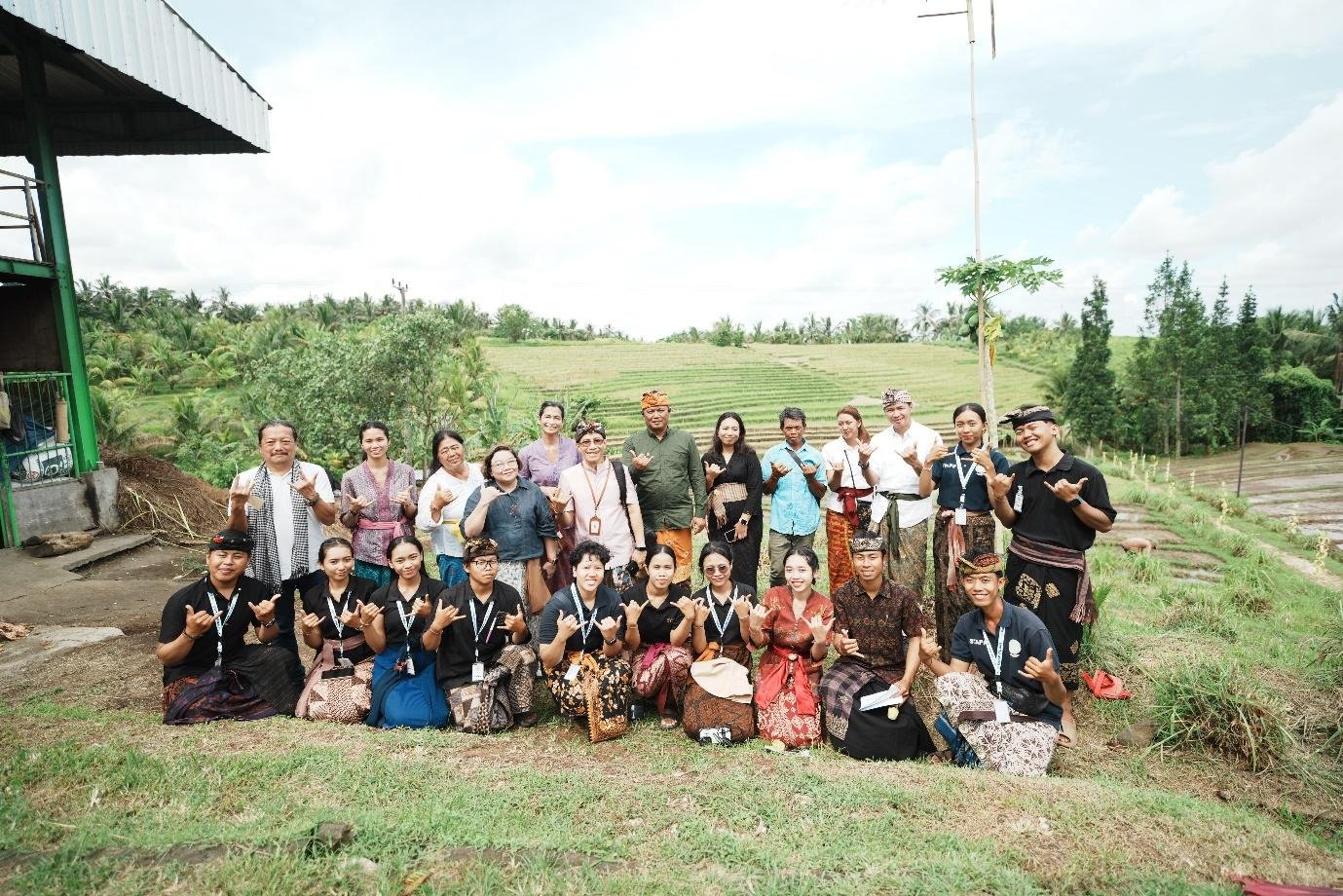
Guests are welcome to experience Kinar Village firsthand: spend a few hours exploring the rice fields, learn how we nurture the soil, distill essential oils, or simply enjoy the peaceful surroundings. Whether you stay for an hour or an afternoon, we’re happy to curate a visit that fits your interests — and connects you to the roots of our land.