How Flavour Takes Root From Soil to Soul
Behind the Flavours: How Kinar Village Connects Ubud and Tabanan Through the Land
Every flavour has a beginning. For Bumi Kinar, that beginning lies in the land. Rooted in Ubud and extending to Tabanan, the resort is shaped by a belief that hospitality should grow in harmony with its cultural and ecological surroundings, guided by a long-term vision for future generations. This philosophy comes alive at Jingga Restaurant and Lokal Kafe, where thoughtfully composed dishes draw on ingredients grown across the property and harvested directly from Kinar Village, the resort’s farm estate in Tabanan.
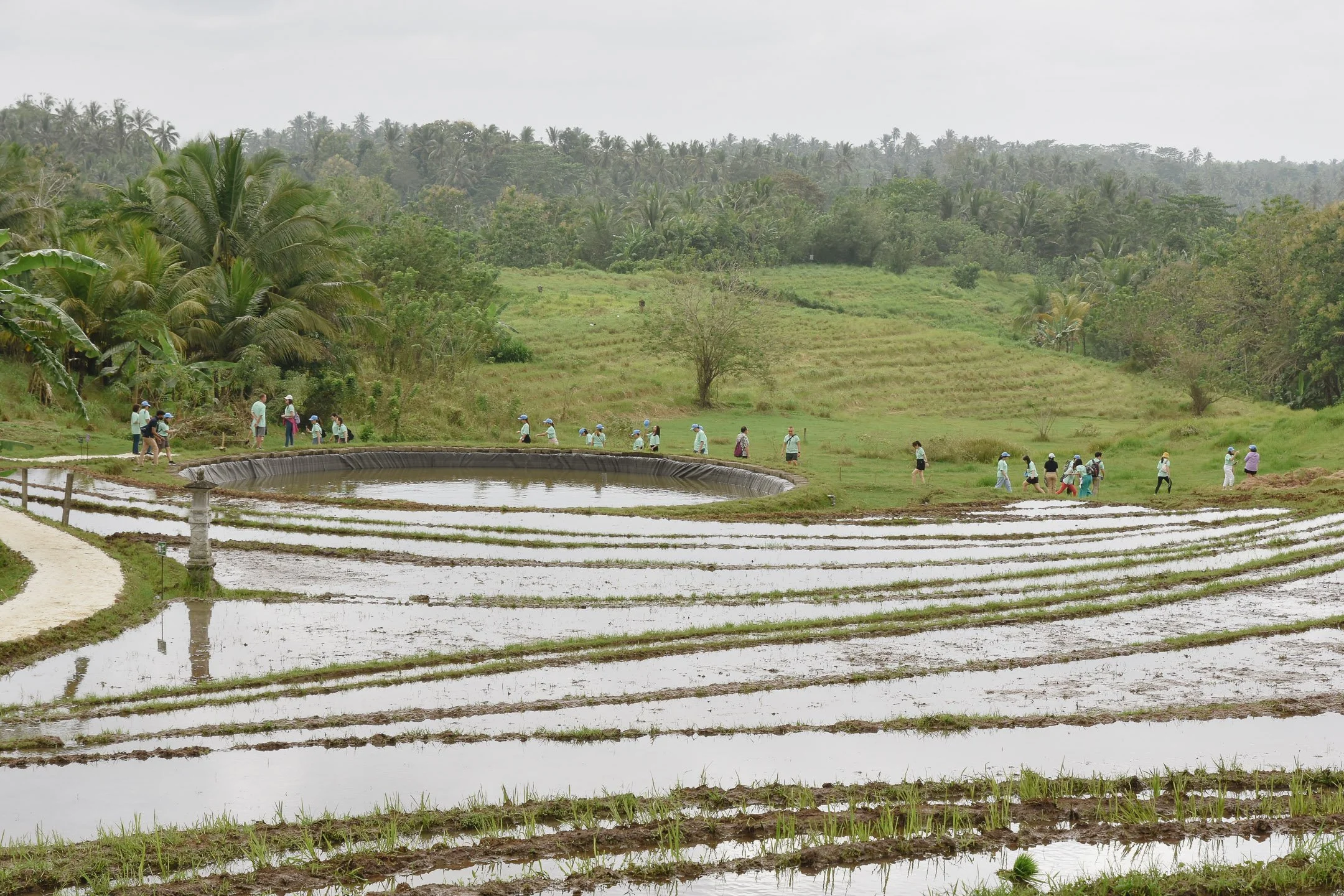
Kinar Village: A Promise to the Land
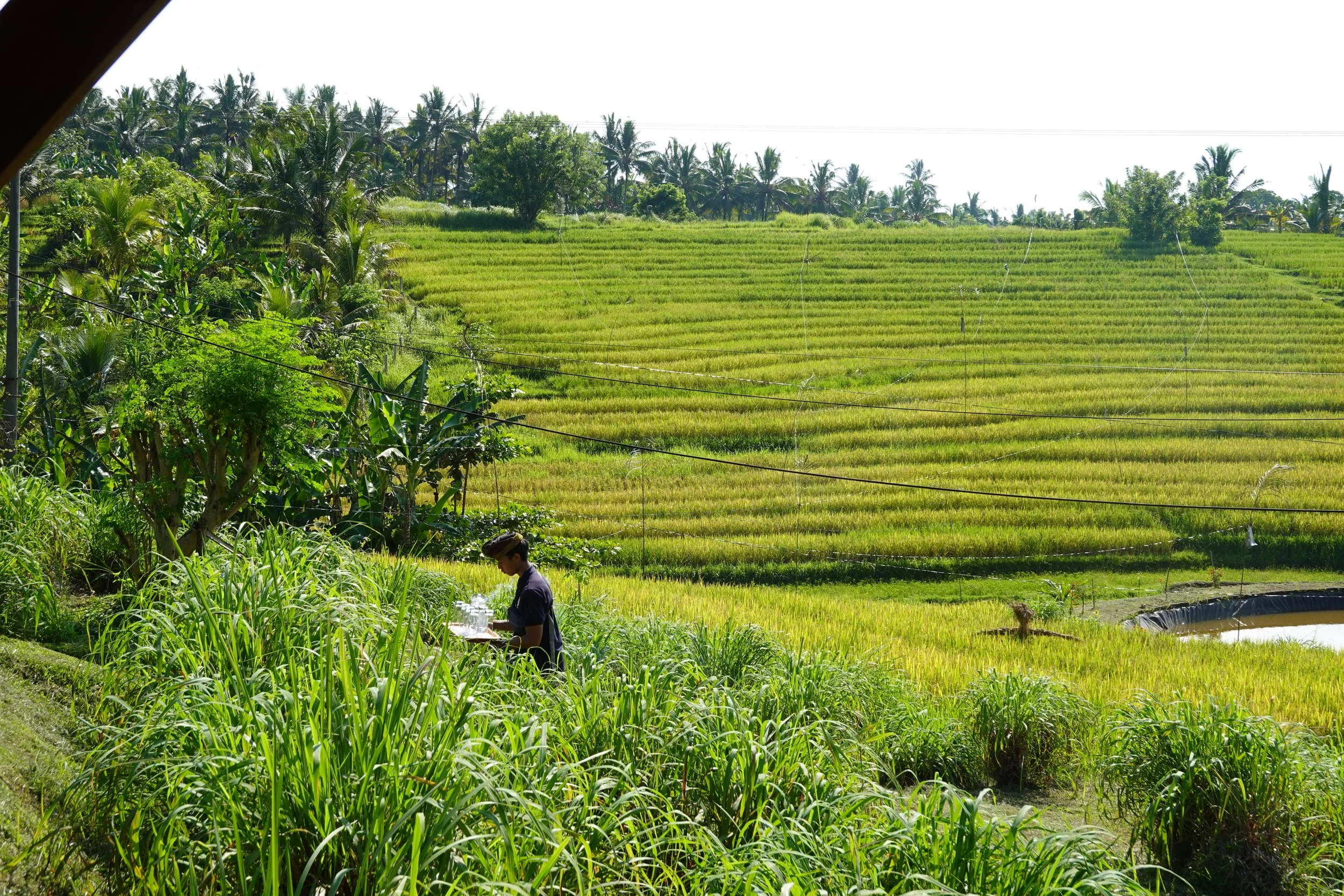
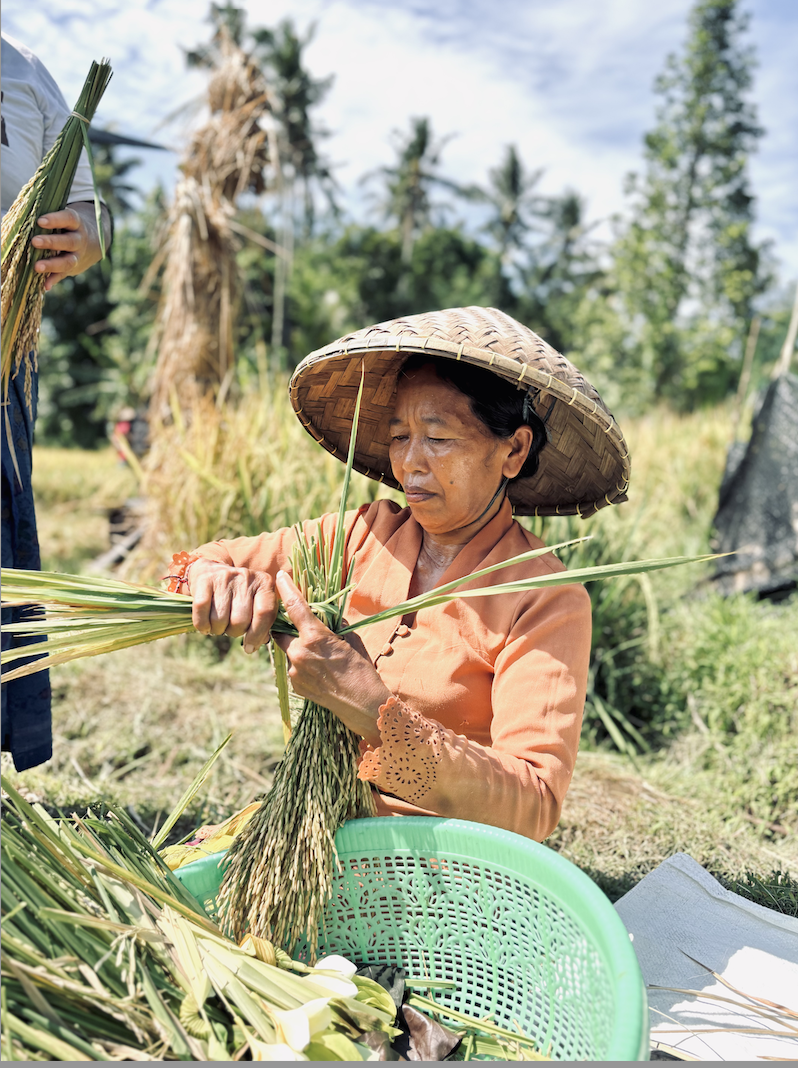
At the heart of this connection is Kinar Village, a 23-hectare expanse of pesticide-free rice fields that has evolved since 2018 into one of Bali’s quietly pioneering organic farms. Developed in collaboration with Udayana University, the site functions as both a productive agricultural landscape and an open learning space. Alongside organic rice and fresh produce for Bumi Kinar’s kitchen, citronella has emerged as a key crop, while visitors are invited to walk the fields, explore organic farming practices, and observe the distillation of essential oils.
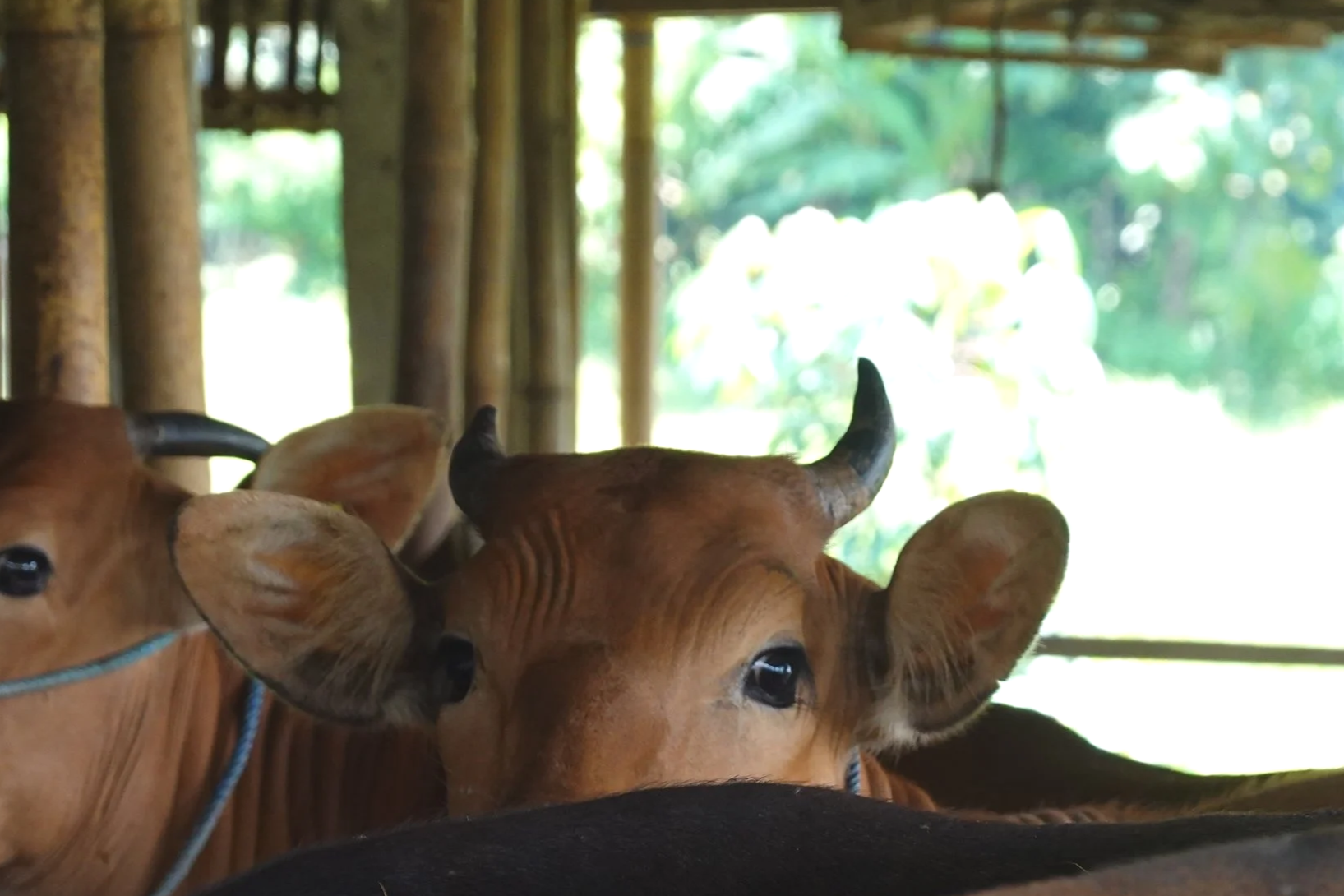
Working with Prof. Dr. Ir. Ni Luh Kartini, MS of Udayana University, the farm implements an integrated organic system known as SaBiCaITaLA. The model brings together cattle (sapi), biogas, earthworms (cacing), fish (ikan), organic crops (tanaman organik), bees (lebah), and agrotourism (agrowisata), forming a self-sustaining ecosystem in which each element supports the next. Waste is reimagined as a resource, and productivity is driven by balance rather than extraction.
Daily rhythms reflect this circular approach. Cow manure is fermented to produce organic fertiliser and biogas, which in turn fuels the farm’s kitchen with a steady blue flame. Fish ponds follow open irrigation systems common to coastal lowlands, fruit trees are planted to attract pollinating bees, and even leftover wood from citronella distillation is converted into biochar to restore nutrients to the soil. Nothing exists without purpose. The landscape itself is a mosaic of intercropping fields, where vegetables, herbs, spices, and fruit trees grow side by side. This layered planting approach supports biodiversity, strengthens soil health, and diversifies income beyond rice alone. According to Prof. Kartini, when applied carefully, the system can increase overall productivity by up to four or five times through combined yields from crops, livestock, fish, bees, and agrotourism.
Citronella: Growing As the Land Would Have It
Among Kinar Village’s most distinctive outputs is citronella. Harvested in quantities of around 400 kilograms per cycle, the leaves are distilled over six hours to produce essential oil supplied to Bumi Kinar and the wider pharmaceutical, cosmetic, and wellness industries. After years of experimentation with aromatic plants, citronella proved the most resilient to the area’s lowland climate and water limitations, while maintaining strong market demand.
“Starting from our commitment to preserving the Subak system, we experimented with various crops until finding citronella as the most aligned with local conditions,” says I Gede Made Pramudita, Marketing Manager of Kinar Village and a master’s student in agriculture currently conducting research on site. “It is adaptable, resilient, and economically viable, making it a natural choice for long-term development.”
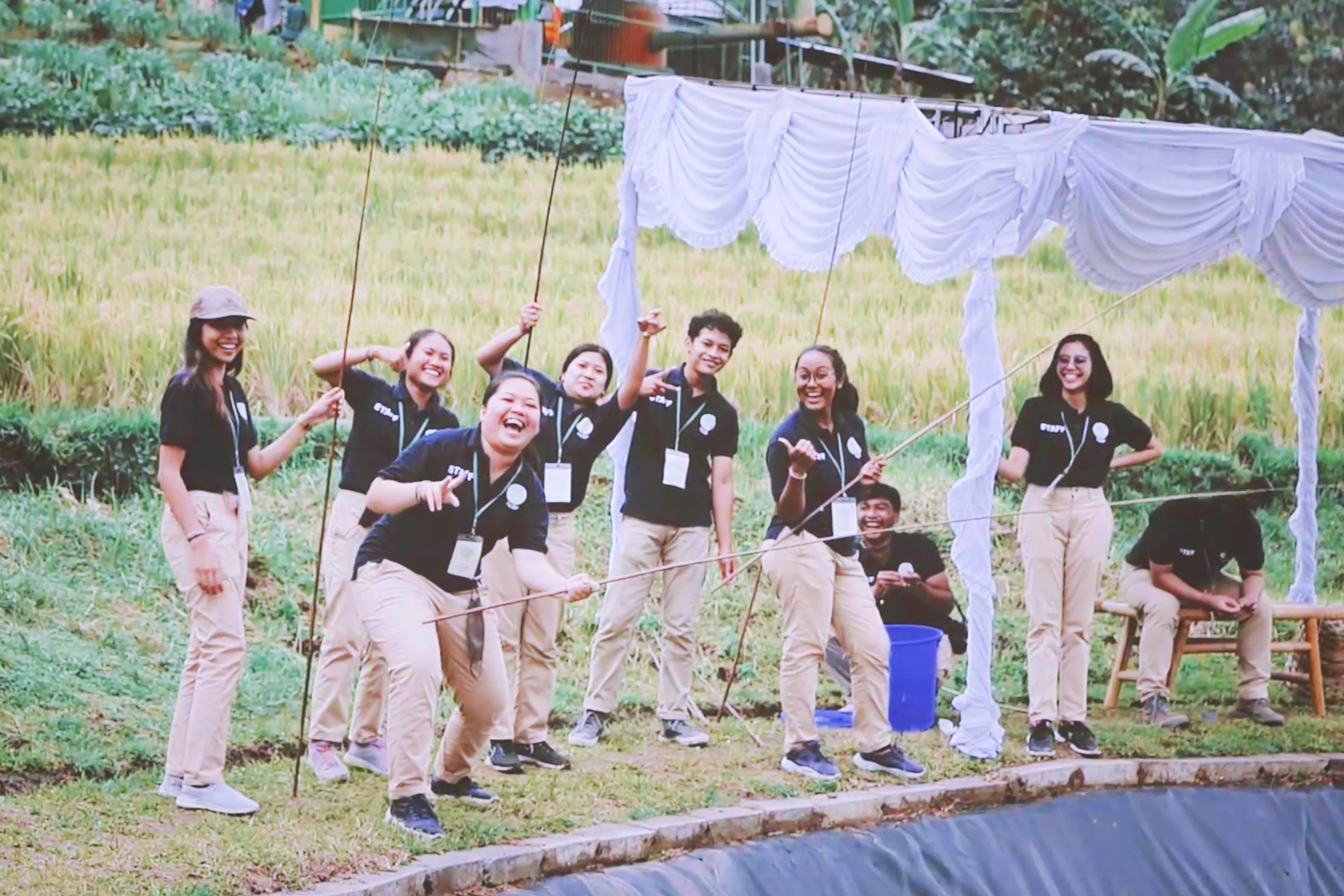
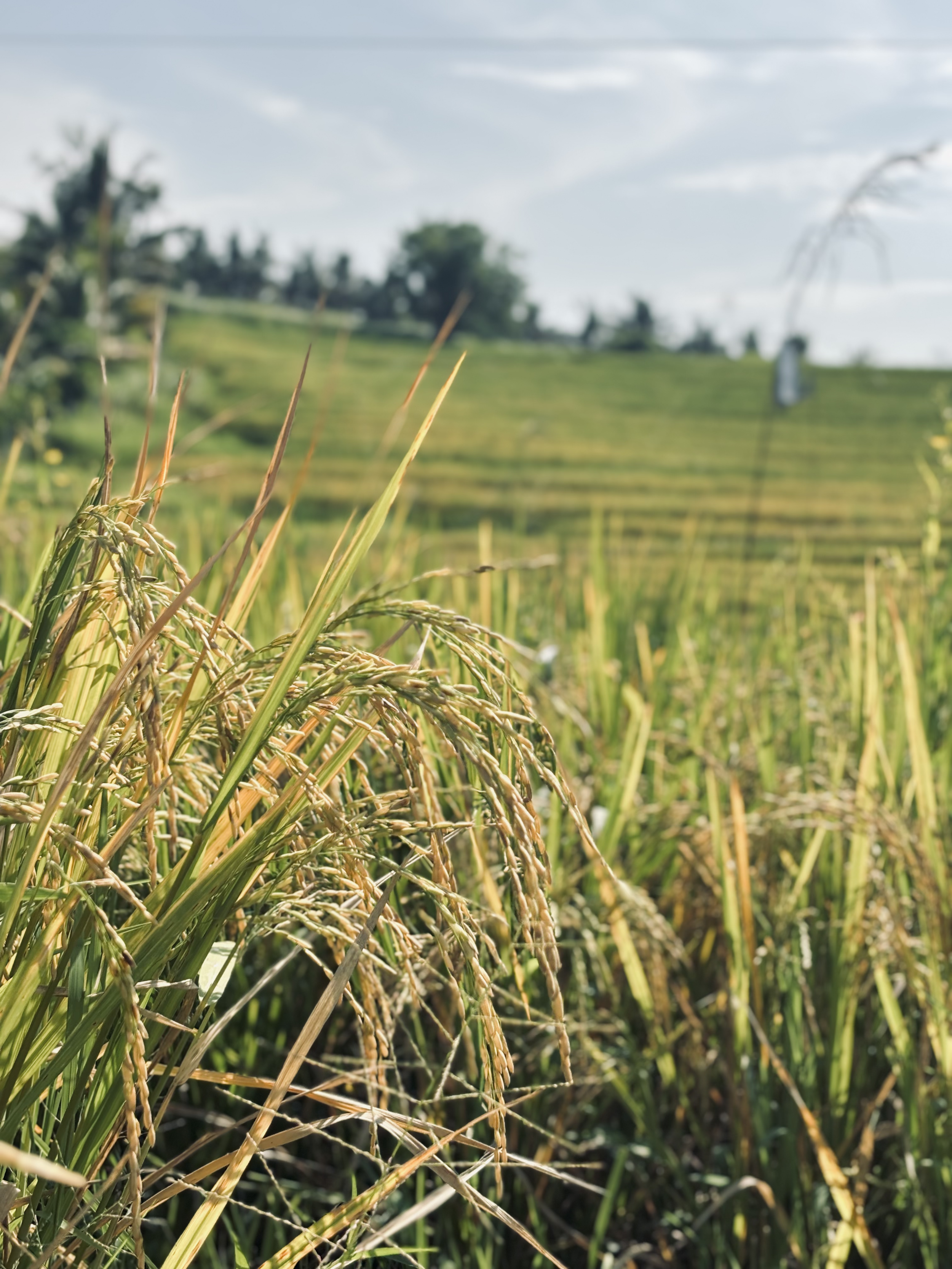
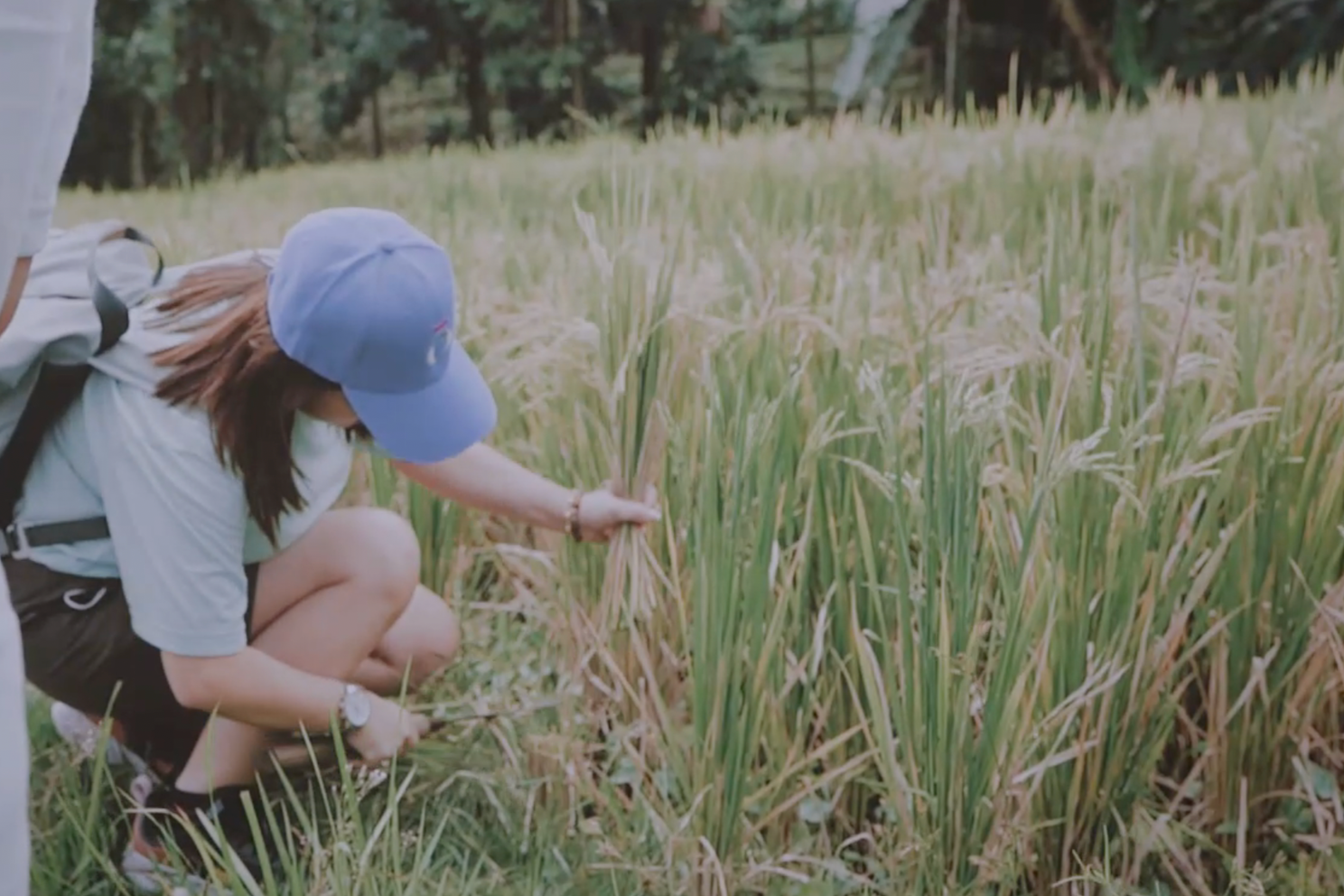
Today, Kinar Village supplies fresh produce to Bumi Kinar’s two restaurants and essential oils to its spa, while sharing the benefits of intercropping with the surrounding community in Megati Village, Tabanan. The same farm-to-table philosophy continues at Bumi Kinar’s heritage garden in Ubud, where guests can harvest ingredients and see them transformed into dishes. A quiet reminder that the most meaningful flavours begin not in the kitchen, but in land that is tended with care, collaboration, and respect.
Book a tour / Plan your Visit:
Reservation team Whatsapp: +62 811-9103-330
Email: reserve@bumikinar.com